

freestanding bathroom mirror
Understanding the Gate Valve DN80 A Comprehensive Overview When it comes to fluid control in various industrial applications, the gate valve is one of the most popular types of valves used today. Specifically, the DN80 gate valve holds a significant position due to its size and versatility. DN, or Diameter Nominal, references the valve's nominal size in millimeters; thus, DN80 indicates a valve with a diameter of 80 millimeters. What Is a Gate Valve? A gate valve is primarily designed to allow or obstruct the flow of fluid. Unlike other valve types, such as globe valves or ball valves, gate valves are either fully open or fully closed. They are known for their exceptional sealing ability and minimal flow resistance when fully open. This feature makes them ideal for applications where a straight-line flow of fluid is necessary. Design and Construction The gate valve DN80 typically features a steel or cast iron body, with various internal components that can vary depending on the application. The internal mechanism consists of a gate or wedge that moves up and down, driven by a handwheel or actuator. When the handwheel is turned, the gate moves down into the flow path to close the valve or rises to open it. The design of the DN80 gate valve ensures durability and reliability. Many are equipped to handle high pressures and can withstand varying temperatures, making them suitable for both cold water services and hot applications, such as steam and oil transport. Applications of DN80 Gate Valves gate valve dn80 The DN80 gate valve finds application across a wide range of industries, including waterworks, wastewater treatment, oil and gas, and power generation. In water distribution systems, these valves help manage the flow of water between different sections of pipelines. In the oil and gas industry, they are used to control the flow of crude oil or natural gas in various processing stages. One of the key advantages of using a DN80 gate valve is its ability to provide a tight seal. This capability prevents fluid leakage, which is essential for safety and environmental concerns. Furthermore, when the valve is fully open, it presents minimal resistance to fluid flow, thereby preserving system efficiency. Maintenance and Operation Like any mechanical device, the DN80 gate valve requires routine maintenance to ensure longevity and optimal performance. Operators should regularly check for signs of wear, corrosion, or any leakage. It’s essential to exercise the valve periodically to prevent it from seizing or becoming stuck in the closed position. In terms of operation, the valve should always be opened and closed gradually to avoid sudden pressure fluctuations that could damage the valve seat or associated pipework. Conclusion In conclusion, the DN80 gate valve is an indispensable component in various industrial systems. Its robust design, reliability, and effective flow control make it a preferred choice among engineers and operators alike. Understanding the features and maintenance requirements of the DN80 gate valve is essential for anyone involved in fluid management, ensuring both efficient operation and safety in any industrial setting. Whether it’s controlling water flow or managing hydrocarbons, the DN80 gate valve stands out as a critical element in the engineering and operational toolkit.
about
freestanding bathroom mirror
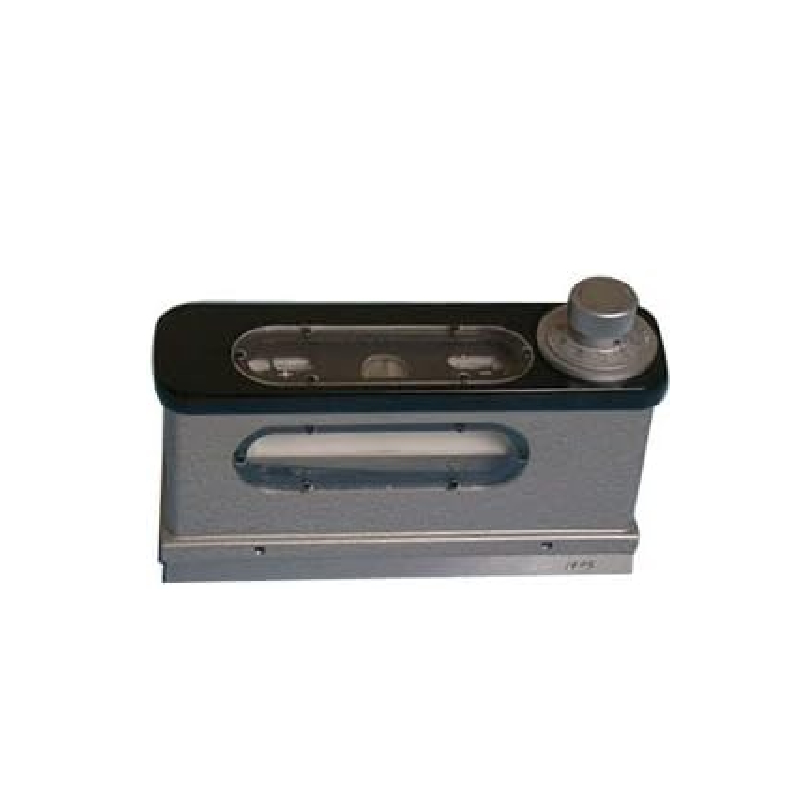
The Importance of Metal Fabrication Protractors in Precision Engineering In the realm of metal fabrication, precision is not just a requirement; it is a necessity. The metal fabrication protractor stands out as one of the quintessential tools that enable fabricators to achieve the required accuracy in their work. This simple yet effective instrument plays a critical role in various aspects of fabrication, from measuring angles to ensuring perfect cuts. A metal fabrication protractor is typically made of high-quality stainless steel or aluminum, ensuring durability and resistance to corrosion. Its design usually includes a pivot point, a movable arm, and clear markings that indicate angle measurements . The versatility of the protractor allows it to be used in multiple applications, making it an indispensable tool for engineers, metalworkers, and hobbyists alike. One of the key advantages of using a protractor in metal fabrication is its ability to provide quick and accurate angular measurements. Whether working on intricate designs or large structural components, the protractor enables fabricators to determine precise angles, which is critical for joints, fittings, and connections. This accuracy not only enhances the aesthetic appeal of the finished product but also ensures its structural integrity. metal fabrication protractor Moreover, the metal fabrication protractor simplifies the process of marking and cutting materials. With the aid of this tool, fabricators can easily draw lines for cuts, enforce accurate alignment, and ensure that each piece fits together seamlessly. This efficiency reduces waste and increases productivity, allowing projects to be completed on time and within budget. In addition to angle measurements, many modern protractors come equipped with features such as digital displays, built-in levels, and even laser guides. These advancements enhance the user experience and further improve measurement accuracy. Digital protractors, for instance, offer easy-to-read displays, while laser guides can help visualize angles and allow for more complex layouts. Training and skill development are also crucial elements in maximizing the use of metal fabrication protractors. While the tool itself is relatively straightforward, understanding its full potential requires practice and familiarity. Fabricators who invest time in mastering this instrument often see significant improvements in their work quality. In conclusion, the metal fabrication protractor is an essential tool for anyone involved in precision engineering. By ensuring accurate angle measurement and providing ease of use, it helps fabricators produce high-quality work efficiently. As technology advances, the protractor continues to evolve, maintaining its relevance in an ever-changing industry. For professional fabricators and enthusiasts alike, mastering this tool is key to achieving excellence in metal fabrication projects.
-

High quality industrial productsagement

High quality industrial products
View Details -

Meet the diverse needs of customers

Meet the diverse needs of customers
View Details -

Strict quality control

Strict quality control
View Details -

Top raw materials

Top raw materials
View Details -

Trusted supplier

Trusted supplier
View Details
Our application

news and information
Vannventil for kontroll av vannstrøm og trykkregulering
Vannventilens Rolle i Vannfordeling Vann er en av de mest essensielle ressursene på jorden, og forva
welding table supplier
Finding the Right Welding Table Supplier A Guide for Professionals Welding is an essential process i

Water Pressure Valves - Optimize Your Water System Efficiency
Understanding Water Pressure Valves An Essential Component for Efficient Water Management Water pres
 English